Every hospitality operator is hearing the same pitch right now. AI will answer your phones. AI will fill your dining room. AI will run your marketing. Some of it is real. A lot of it is a chatbot with a new haircut.
This guide is for the owner or operator trying to tell the difference. Not a list of products. A way to think.
The best AI purchase is boring: it attaches to a revenue stream you already have and stops the leaks. For most venues, the biggest leak is inbound demand. Someone wants to give you money for a private event, a group booking, a buyout. They fill out a form or call. And then they wait.
Every hour of that wait is money walking to the venue down the street. That is why the first place to point AI is not content, not scheduling, not analytics. It is the inquiry that is sitting unanswered right now.
For a sense of scale, our 2026 study timed 807 inquiries across 531 hospitality brands: the median wait for a human reply was 23.6 hours, and 19 percent were never answered by a person.
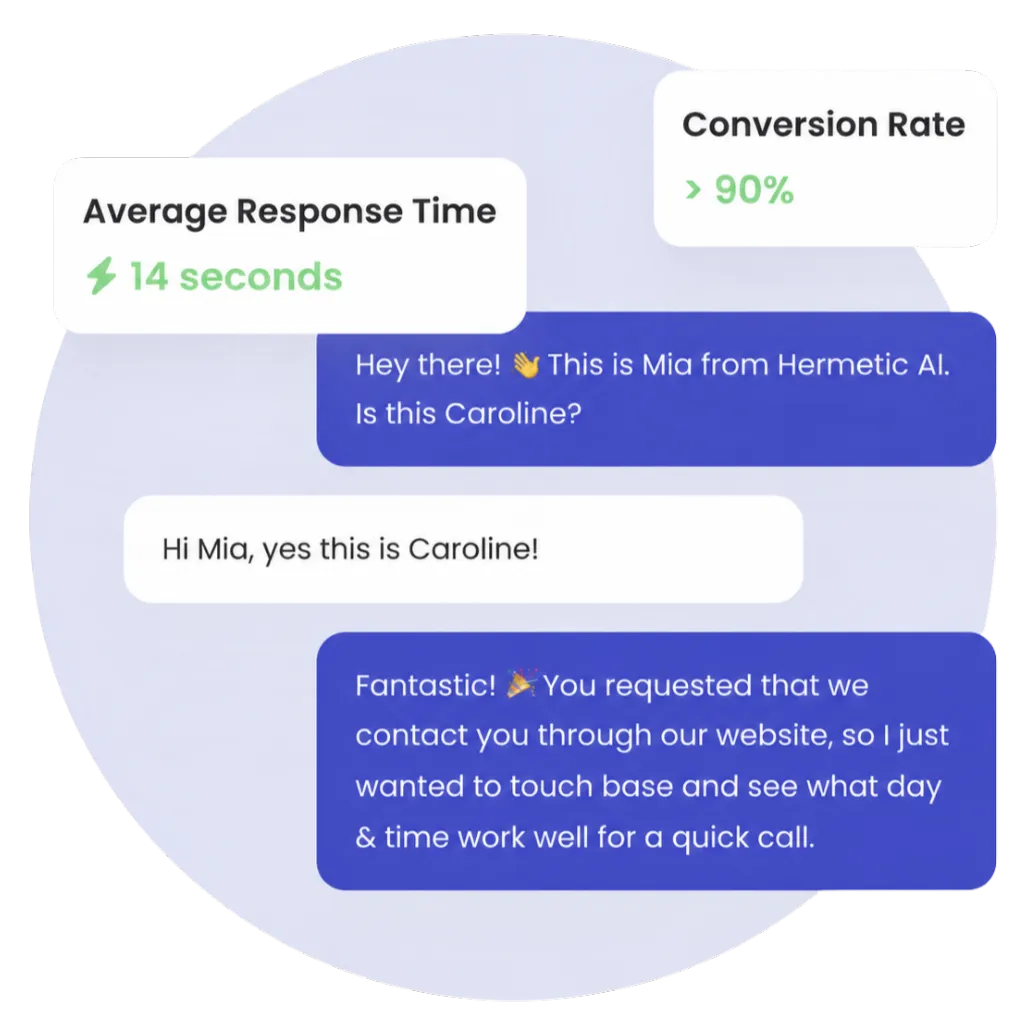
An AI agent can reply to an event inquiry in seconds, by text, at 11 pm on a Saturday. Not with an autoresponder, with a conversation: date, headcount, budget, questions answered. Speed is the whole game in event sales, and it is the one thing software does better than any team. Speed to lead is where the return shows up first.
Not every inquiry deserves the same attention. AI can separate the 200-person corporate dinner from the table for six, capture the details your sellers need, and get the right lead to the right person with the context already gathered. See lead qualification and lead routing for how this works in practice.
Most venues stop following up after one or two attempts. Leads go quiet, not dead. AI keeps the thread alive politely for weeks, and re-engages last year's holiday party in August. The revenue is in the follow-up nobody has time for. Velocify's analysis of almost 3.5 million leads found 93 percent of the leads that eventually converted were reached by the sixth attempt.
1. What happens when it does not know the answer? The right answer involves the word handoff. If the vendor claims it always knows, walk away.
2. Where do the conversations live? If your team has to open another platform to see what the AI said, adoption dies. It should work inside the systems your team already uses.
3. Does it change what my guests see? Guests should experience a normal conversation, not a widget. Ask to see the guest side, not the dashboard.
4. Who controls what it says about pricing and availability? You should, per venue and per day of the week. Anything less is a liability in a business built on minimums and buyouts.
5. What does my team have to do to keep it working? If the honest answer is a dedicated babysitter, the tool is not ready. Ask what happens if nobody logs in for a week.
6. Can I talk to a venue like mine that uses it? Not a logo slide. A person. Then test it yourself: submit an inquiry to one of their live customers tonight and watch what happens.
7. Is it honest about being AI? If a guest asks, the agent should say what it is. Anything else puts your brand's trust on the line for a parlor trick. A Texas A&M study in the International Journal of Hospitality Management found that clear AI disclosure at the start of a conversation is what keeps guests trusting a hospitality chatbot, and that deception is one of the three things they react to worst.
A demo that never shows a live conversation. Pricing that needs a spreadsheet to explain. A contract with no exit and no defined success measures. And any pitch built on replacing your salespeople rather than feeding them. The venues that win with AI use it to make their closers faster, not to remove them. Here is how we answer these same questions when operators ask us.
Pick one location, ideally the one drowning in unanswered inquiries. Agree on what success looks like before you start: response rate, tours booked, events won. Run it for a defined period against real inquiries, not test data. Then compare against your own baseline, not the vendor's brochure. A Washington, DC restaurant group ran exactly this play at one location and watched its private-event revenue grow 400%, worth $722K. The math either shows up in your numbers or it does not.
Choose AI the way you would hire. Give it the job nobody wants, check its references, watch it work a real shift, and keep the humans for the moments that need one.
The best AI solution for hospitality is the one your guests never notice and your P&L cannot miss.
This article is part of our guide to AI Sales Agents: what an inbound AI sales agent does and how to evaluate one.