A banquet event order, or BEO, is the single document that tells everyone in a venue exactly how an event will run: the menu, the timeline, the room setup, the headcount, the pricing, and who signed off on all of it. The kitchen cooks from it, the floor sets from it, billing invoices from it, and the client confirms against it. If the event has a source of truth, the BEO is it.
BEO stands for Banquet Event Order. The name comes from hotel banquet operations, but the document is now standard across restaurants, event venues, country clubs, breweries, and anywhere else that hosts private events. Some venues call it an event order or function sheet; the job is the same.
Formats vary, but a complete BEO covers:
The event sales manager or coordinator owns the BEO. It is typically drafted after the contract is signed and the major decisions are made, then revised as details firm up. Most venues distribute the final BEO to the kitchen and operations team in a weekly BEO meeting, and lock final guest counts a set number of days before the event, commonly three to seven.
The practical rule: the BEO is a living document until the guarantee deadline, and a contract-grade document after it. Every change after distribution needs a new version number and a re-sign, because the version the kitchen prints is the version that gets cooked.
These three documents get conflated constantly:
A venue that lets the proposal or the email thread stand in for a BEO ends up with the classic failure: the client remembers the conversation, the kitchen reads the ticket, and neither matches the room.
The BEO sits at the end of a chain that starts with an inquiry, and AI now helps at both ends of that chain.
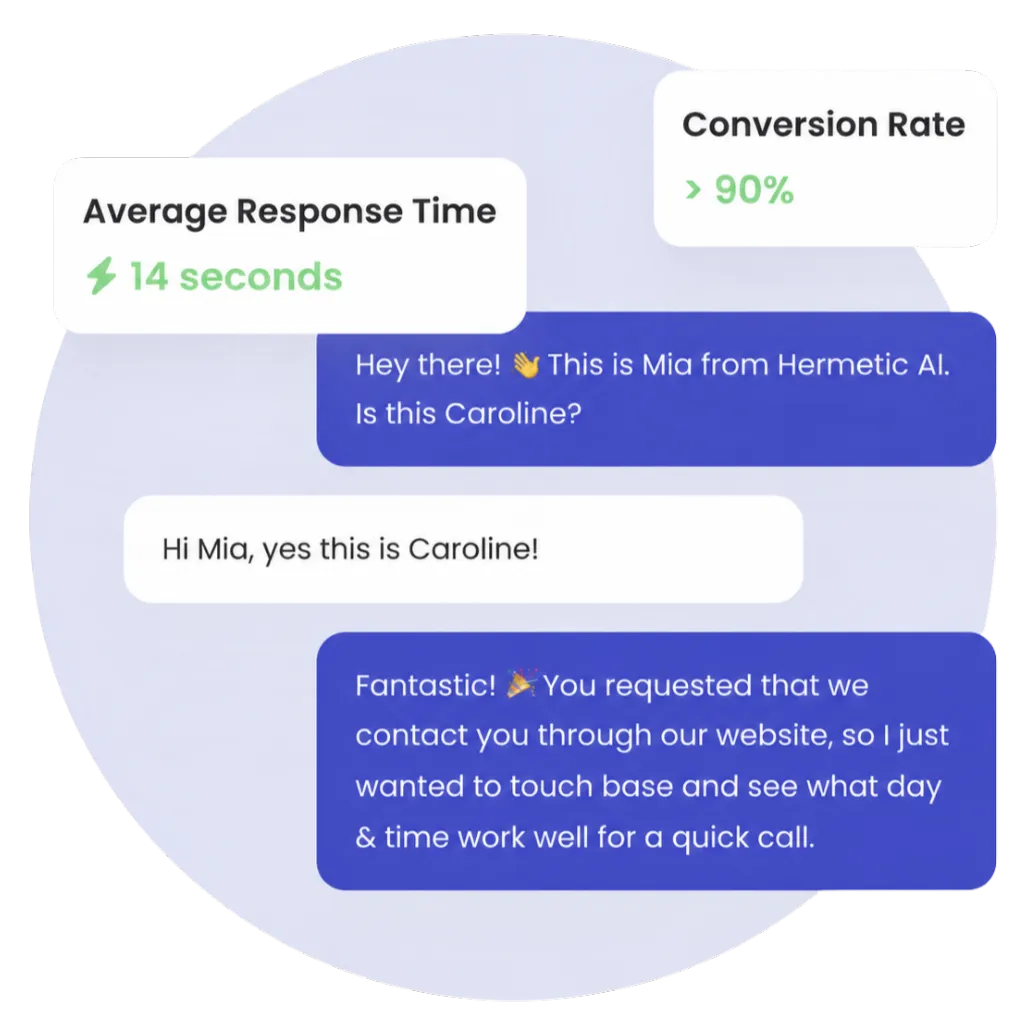
Upstream, an AI agent like Mia handles the inquiry-to-booking stretch: replying to event leads in seconds, qualifying date, headcount, and budget by text, and booking the tour. By the time a coordinator starts drafting the BEO, the basics are already captured and confirmed in the conversation record. The full lifecycle is covered in our guide to AI event management.
Downstream, AI menu generation turns the finished BEO into branded, print-ready event menus automatically, removing the retyping step and the errors that ride along with it.
What AI should not do is replace the coordinator's judgment inside the BEO itself: the negotiated exceptions, the layout call for an awkward room, the read on which client needs a phone call. The document stays human-owned; the busywork around it does not have to be.
What does BEO stand for? Banquet Event Order.
Who prepares the BEO? The venue's event sales manager or coordinator, after the contract is signed.
When is a BEO finalized? At the guarantee deadline, usually three to seven days before the event, when the final guest count locks.
Is a BEO legally binding? The signed contract is the binding agreement; the signed BEO functions as the agreed statement of what will be delivered, and many venues treat client sign-off on the final BEO as binding for billing.
What is a food and beverage minimum? The lowest amount a client agrees to spend on food and drink for the event. It appears in the contract and is reconciled on the BEO. More event sales terms are defined in our FAQ.
If event inquiries are reaching your BEO pipeline slower than they should, that is the part Mia fixes first. See how it works on a live inquiry.
This article is part of our guide to Hospitality Event Sales: how event leads work and how venues convert more of them.