Lead scoring came out of B2B software, where it makes sense. Company size, title, industry, and engagement compress reasonably well into one number that says how likely someone is to buy.
Hospitality broke that model, and most venues have never noticed, because they inherited the concept along with the CRM.
A 40-person corporate dinner request is a great lead in February and a distraction on the second Saturday of December.
A 200-person wedding is your best booking of the year, unless the date is already held, in which case it is worth exactly nothing.
A price-sensitive social inquiry is low value on a Friday and the difference between profit and loss on a Tuesday in January.
The value of a hospitality lead is not a property of the lead. It is a function of the lead and the calendar together. A score cannot hold that, because the score does not know what else is on the books.
What venues actually need is not a score. It is a decision about who handles this and how fast.
Four inputs answer that almost every time.
Date, and whether it is contested. Headcount, relative to your rooms. Occasion, because it determines tone, spend, and whether a human is required. And decision timeline, because a planner deciding this week and a couple deciding in six months need completely different treatment.
Those four do not produce a number. They produce an assignment.
There is a trap in this thinking. Some venues conclude that low-value inquiries deserve slow responses.
They do not. Every inquiry gets an immediate response. What varies is who responds, how much of your team's time it consumes, and what the next step is.
The clock does not care about the score. MIT's Dr. James Oldroyd found in the Lead Response Management Study that the odds of even reaching a lead fall more than tenfold within the first hour.
A small weeknight inquiry gets answered instantly and booked without a salesperson ever touching it. A large contested-date inquiry gets answered instantly and lands on your director's calendar in ten minutes. Both were fast. Only one cost you a person.
The real cost of an event sales team is not the leads they lose. It is the hours they spend on inquiries that never needed them.
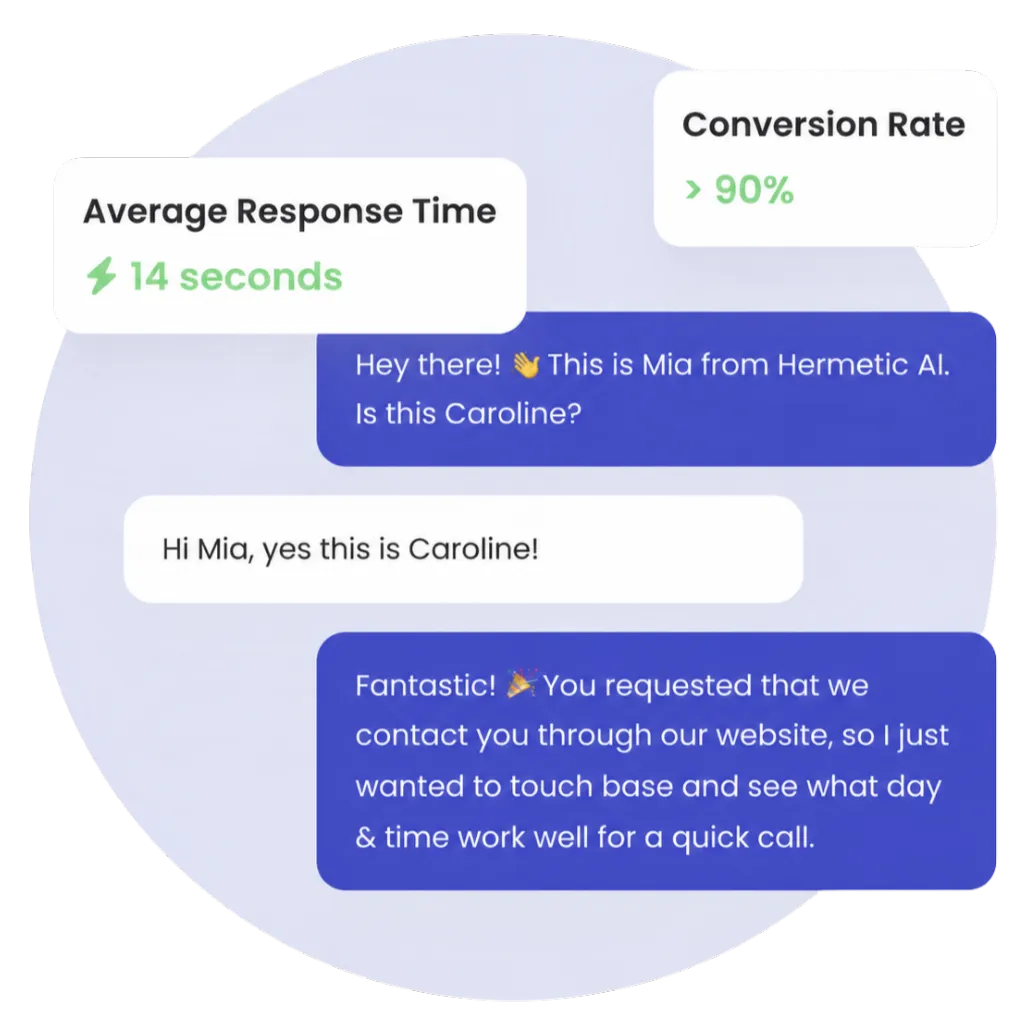
Mia handles the volume, routes on those four variables, and hands your team the conversations where human judgment actually changes the outcome.
Stop asking how good the lead is. Start asking who should be in the room.
This article is part of our guide to AI Lead Qualification: how AI agents qualify, route, and convert inbound leads.