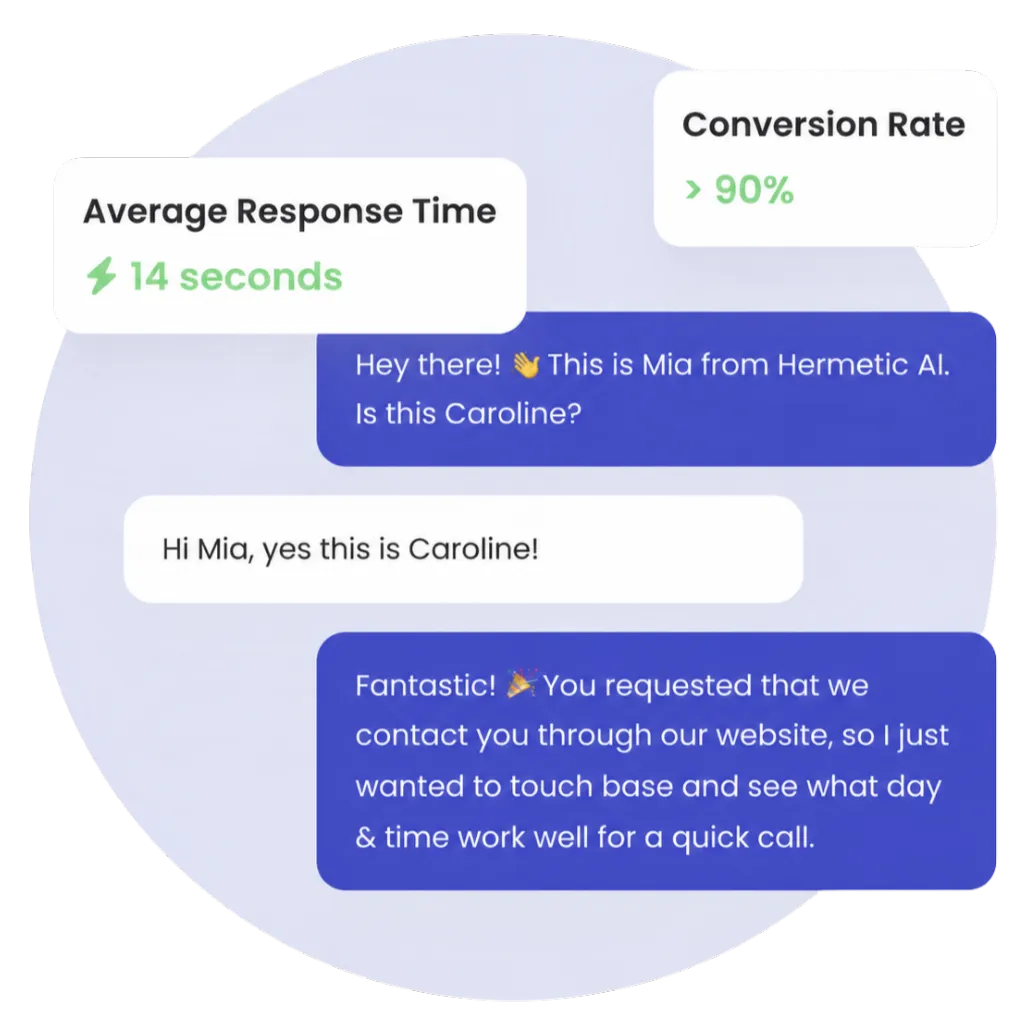
An AI agent is only trustworthy if it knows what it doesn't know. We designed Mia to do something most AI products refuse to do: stop talking.
The temptation in AI design is the opposite. Answer everything. Sound confident. Optimize for completion rate. The result, for most consumer-grade AI, is a tool that says things that aren't true with the confidence of a tool that knows what it's saying. In hospitality, where a wrong price quote can mean a lost contract and a wrong allergen answer can mean a hospitalization, that kind of confidence is unaffordable.
The research backs the restraint. A Texas A&M study published in the International Journal of Hospitality Management found that inaccuracy was the strongest trigger of discomfort with hospitality chatbots, cutting guests' willingness to keep talking by nearly 38 percent and nearly doubling the odds they abandoned the booking. Professor Babak Taheri, who led it, put it plainly: "Competence without transparency doesn't solve the problem. Hospitality companies need both if they want customers to trust AI-powered service interactions."
Mia operates with a "no" library. There is a long, specific list of things she will not answer. Pricing on a bespoke event whose scope hasn't been defined. Allergen guarantees. Capacity overrides. Deposit refund decisions. Anything in legal or contractual gray space. Anything that requires a judgment call from a person with the authority to make it.
When an inquiry hits one of those areas, Mia does the same thing every time. She acknowledges the question. She does not invent an answer. She tells the guest that someone will reach out within a defined window — and then she makes sure someone does.
The counterintuitive result is that operators trust her more, not less. Because the answers she does give, they can rely on. And because the answers she defers, they know are being deferred — not glossed over with a hallucination that becomes their problem two weeks later.
Confidence in AI does not come from sounding confident. It comes from knowing where the rope line is, and never crossing it.
This article is part of our guide to AI Lead Qualification: how AI agents qualify, route, and convert inbound leads. See also AI Sales Agents.