Every operator can tell you their average check. Their food cost percentage. Their labor ratio. Their cover count on a Saturday in July. Almost no operator can tell you their average inquiry response time. Or what it costs them.
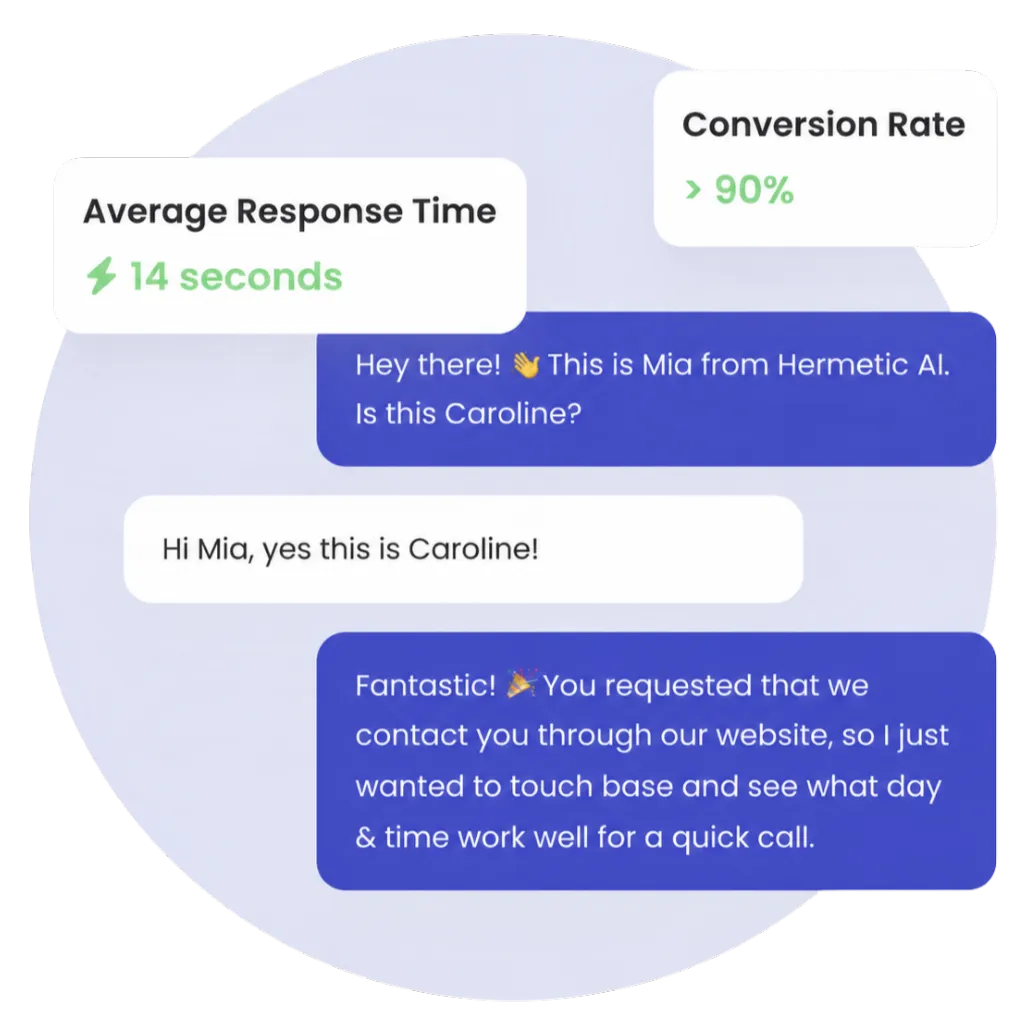
We measured it for them. Our 2026 study of 807 inquiries found a median of 23.6 hours to a human reply, with 19 percent never answered at all.
It is not only hospitality. When Harvard Business Review audited 2,241 U.S. companies, the average response to a web lead took 42 hours and 23 percent of companies never replied at all. Dave Elkington, then chief executive of InsideSales.com, put the customer's side of that wait in one line in Forbes: "Imagine going to Nordstrom’s on a Wednesday morning and asking to talk to a sales rep about a pair of shoes and the salesperson says they will be happy to help you Friday morning!"
The reason is simple: the cost is invisible. The inquiry that didn't book never appears on your P&L. The corporate planner who reached out on Monday and went quiet on Friday is not a number on your dashboard. The wedding couple who toured a competitor first never tells you they would have toured you. The loss is real, but it is unmeasured. And what is unmeasured does not get fixed.
The first step is uncomfortable. Look at your inbox for the last 90 days. Sort by inquiries that got a reply. Then sort by inquiries that didn't. Then look at the ones that got a reply more than four hours after the inquiry arrived. The number, in our experience working with hospitality operators, is always larger than the operator expected. Sometimes by a lot.
The second step is the math you don't want to do. What is the average value of a booked inquiry at your venue? Multiply that by a conservative conversion rate for the inquiries that got a reply within an hour. Multiply it by a much lower one for the inquiries that got a reply the next day. The difference is what slow response is costing you. We are not going to invent a number for you. The number is yours, and it is yours to find.
The third step is the easy one. You instrument the inbox. You shorten the response time. You stop letting "I'll get back to you" mean "I'll get back to you on Thursday."
That is the work Mia does. But the first two steps are the ones that change how an operator thinks about the inbox forever.
This article is part of our guide to Speed to Lead: benchmarks, statistics, and why response time decides who wins.